Why Certified Wood Pellets Matter for Sustainable Heating By: Loris Ayoub, Content Writer. Golan SAMA Group


As more homeowners and businesses look for cleaner alternatives to fossil fuels, wood pellets have become an increasingly popular heating solution. However, not all wood pellets are created equal. The quality of the pellets you choose affects not only heating performance but also environmental impact.
One of the simplest ways to ensure you're buying high-quality, responsibly produced pellets is to look for recognized certification. Certified wood pellets provide greater confidence that the fuel meets strict standards for quality, efficiency, and sustainability.
What Are Wood Pellets?
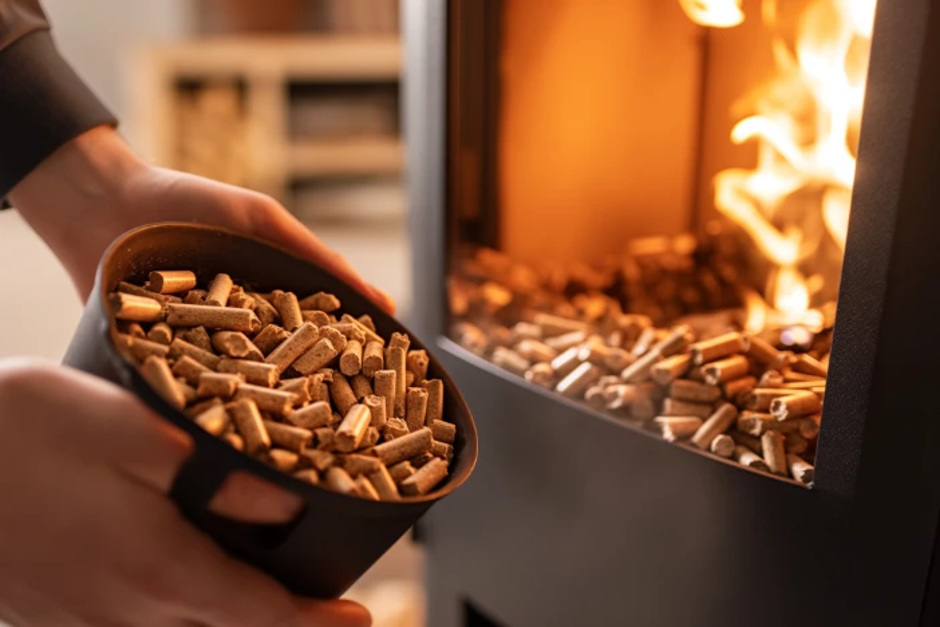
Wood pellets are small, compressed cylinders made primarily from sawdust, wood shavings, and other residues generated by the wood processing industry. Instead of allowing these by-products to become waste, manufacturers compress them into a dense, efficient fuel.
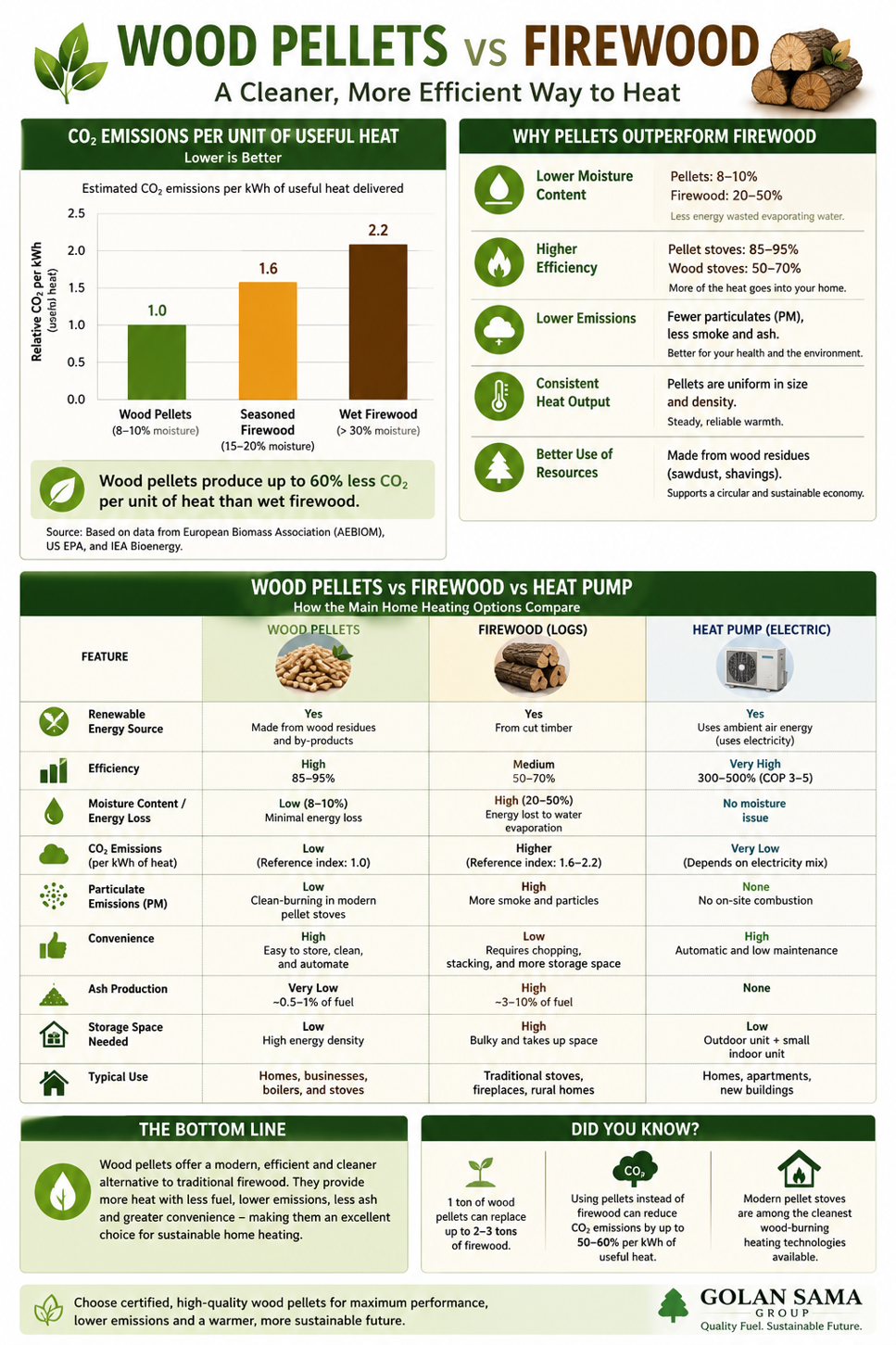
Because pellets have a low moisture content, typically below 10%, they burn more efficiently than traditional firewood and provide consistent heat output.
Why Certification Matters
Certification is more than just a label on a bag. It demonstrates that the pellets have been independently assessed against established quality standards.
Certified pellets help ensure:
Consistent fuel quality
High energy output
Low moisture content
Low ash production
Reliable combustion
Better compatibility with modern pellet stoves and boilers
Using high-quality certified pellets also helps reduce maintenance by minimizing ash buildup and lowering the risk of deposits inside heating systems.
Supporting Sustainable Forestry
One of the biggest environmental questions surrounding biomass heating is where the wood comes from.
Responsible pellet manufacturers source raw materials from sustainably managed forests or from wood industry by-products. Sustainable forest management helps ensure that forests continue to provide wildlife habitat, protect biodiversity, store carbon, and regenerate for future generations.
Certification programs encourage transparency throughout the supply chain, helping buyers make more informed purchasing decisions.
Better Use of Natural Resources
Many quality wood pellets are manufactured using sawdust and wood residues that would otherwise have limited commercial value.
Turning these materials into fuel supports a more circular use of natural resources by making productive use of existing wood fiber instead of allowing valuable material to go to waste.
Cleaner and More Efficient Heating
Certified pellets are manufactured to strict specifications that promote efficient combustion.
Benefits include:
Higher combustion efficiency
Lower smoke production
Reduced ash residue
More stable heat output
Improved appliance performance
Cleaner-burning fuel also helps reduce cleaning frequency and extends the lifespan of pellet heating equipment.
Why Quality Makes an Environmental Difference
Poor-quality pellets can contain excessive moisture, inconsistent density, or impurities that reduce efficiency.
When pellets burn inefficiently, more fuel is needed to produce the same amount of heat. This increases emissions and generates additional ash, reducing many of the environmental benefits that pellet heating can provide.
Choosing certified products helps ensure your heating system operates as efficiently as possible.
Common Pellet Certifications
Depending on the market, buyers may encounter certifications such as:
ENplus®
DINplus
FSC® (for responsible forest management)
PEFC (Programme for the Endorsement of Forest Certification)
Each certification addresses different aspects of quality or sustainable sourcing, helping consumers make informed choices.
Are Certified Pellets Worth It?
Although certified pellets may sometimes cost slightly more than lower-quality alternatives, many users find they deliver better long-term value through:
Greater heating efficiency
Lower fuel consumption
Less stove maintenance
Reduced equipment wear
More reliable heating performance
The combination of quality, consistency, and responsible sourcing makes certified pellets a practical choice for homeowners, businesses, and institutions seeking dependable heating fuel.
Why pellets perform better than firewood in real heating systems?
efficiency
moisture content
emissions
modern stove compatibility
Concluding Insights
Final Thoughts
Sustainable heating depends on more than simply choosing biomass as a fuel source. The quality and origin of the pellets play an important role in determining both heating performance and environmental impact.
By selecting certified wood pellets from trusted suppliers, consumers can support responsible manufacturing practices, improve heating efficiency, and contribute to a more sustainable use of natural resources while enjoying reliable, consistent warmth throughout the heating season.

Comments